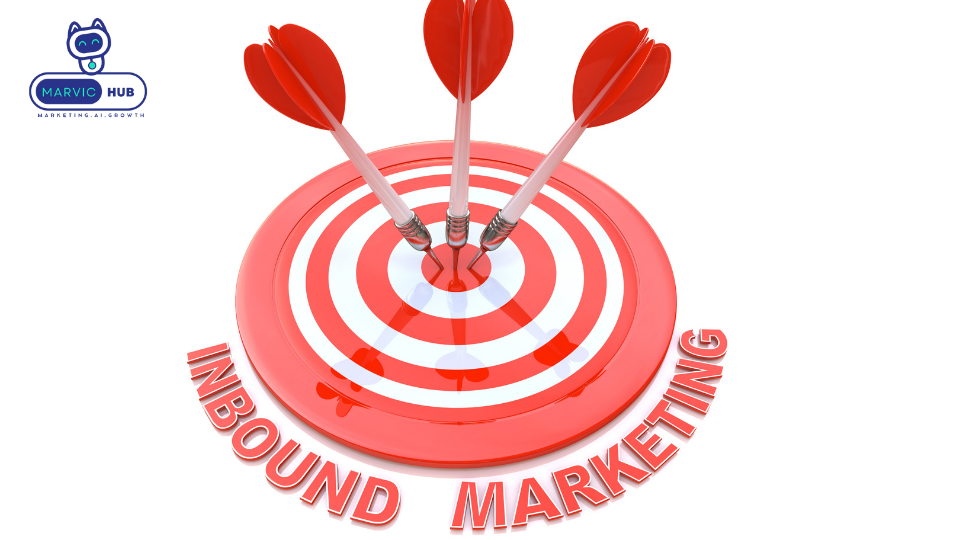
Inbound marketing is a smart strategy focused on attracting customers through valuable, relevant, and engaging content, rather than intrusive advertisements. In today’s digital landscape, with so many channels and ever-increasing creative standards, planning campaigns can feel overwhelming. But with a clear strategy, businesses can effectively reach and convert their target audience.
The Power of Valuable Content
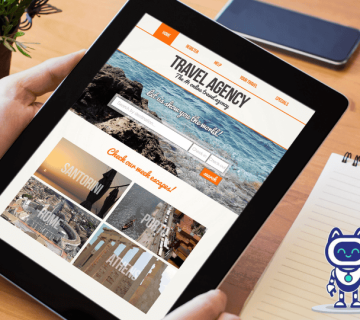
Educational content, blog posts, videos, social media posts, and interactive guides are powerful tools to attract visitors, build trust, and establish credibility. For example, a travel agency could produce videos highlighting destinations, travel tips, and vacation planning strategies, capturing audience attention while positioning itself as an authority.
Personalizing the Customer Experience
Personalization is a cornerstone of inbound marketing. Emails, recommendations, and content tailored to a customer’s interests, behavior, and past interactions significantly increase engagement and satisfaction. For instance, a beauty clinic could send personalized emails featuring services the client has shown interest in, reinforcing the feeling of being valued while boosting loyalty and repeat business.
Email Marketing: Still Alive and Thriving
Despite the misconception that “email is dead,” it remains one of the most effective channels for customer engagement. Studies show most users check their inbox daily, with many starting their day by reviewing emails. The key to success lies in personalized, user-focused emails that respect privacy regulations. Emails with friendly, relatable copy, engaging subject lines, and relevant content can re-engage customers without feeling pushy. Automation allows businesses to scale these efforts efficiently while keeping interactions meaningful.
Social Media Strategy
Each social platform serves a unique audience and purpose. LinkedIn is ideal for educational content and case studies, Instagram works well for short, visually appealing, and inspirational posts, and platforms like Twitter or TikTok can host bite-sized videos, industry commentary, or lighthearted content. Aligning content with each platform’s expectations ensures higher engagement and stronger brand awareness.
Automation and Data-Driven Insights
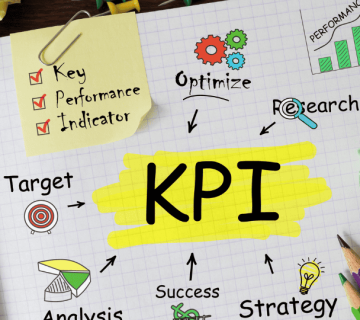
Marketing automation and analytics tools enable businesses to track customer behavior and deliver content that meets their actual needs. This level of personalization improves campaign performance and conversion rates. For example, a real estate company could monitor which property pages visitors view and follow up with personalized email suggestions for similar listings, increasing the likelihood of engagement and sales.
Conclusion
Inbound marketing combines valuable content, personalized customer experiences, smart social media strategies, email marketing, and automation to build loyal, engaged customers. The key is to adapt your strategy to your audience, business type, and services while continuously analyzing feedback and data to optimize results.
Key takeaway: Inbound marketing isn’t just a promotion tactic, it’s a comprehensive approach to building trust, meaningful connections, and long-term value for your customers.




No comment